An Overview of Online Poker for First-Time Users
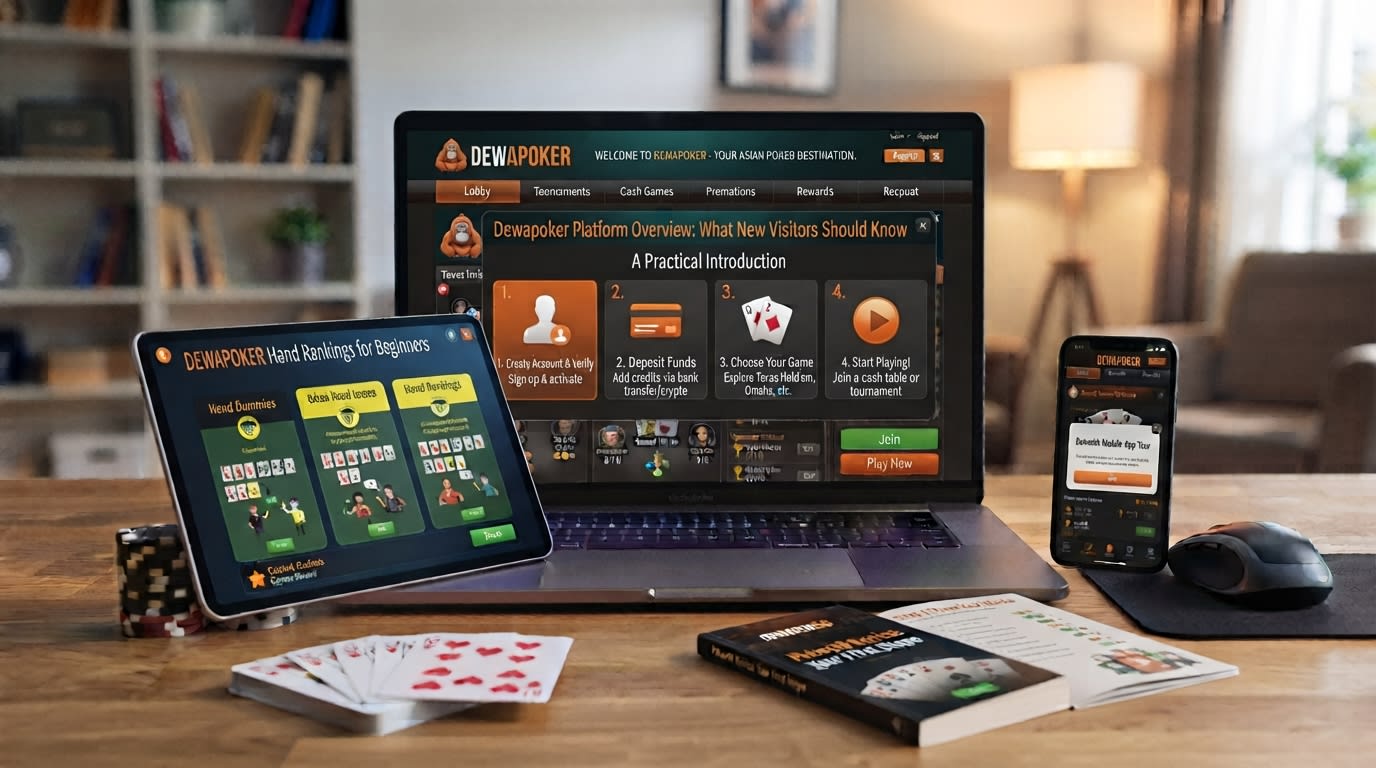
Online poker has become widely known through websites, mobile applications, and televised tournaments. For someone encountering the game for the first time, it is useful to understand how online poker works, what makes it different from traditional poker, and what considerations should be kept in mind before participating.
Online poker generally follows the same basic principles as traditional poker. Players receive cards and make decisions according to the rules of the particular poker variant. Texas Hold’em is one of the best-known formats, although several other versions are available. The objective and betting structure can vary depending on the game, so beginners should learn the rules of a particular format before considering participation. dewapoker
A major difference between online and in-person poker is the digital environment. Online platforms can allow games to take place without players being physically present at the same table. This can make the experience convenient, but it also means users should pay attention to account security, privacy, and the reliability of the service they are considering.
What Should Beginners Learn First?
The first step is understanding the rules rather than immediately focusing on winning. Beginners can study hand rankings, betting rounds, common terminology, and the differences between poker variants. Free educational resources and practice modes can be useful for learning the mechanics without financial risk.
Another important topic is responsible participation. Poker played for real money involves financial risk, and there is no guaranteed strategy for producing a profit. Results can depend on chance as well as decision-making, and losses can occur even when someone understands the rules well.
Why Is Responsible Play Important?
Responsible play means treating gambling as entertainment rather than as a way to earn income. Setting firm limits and never using money needed for essentials can help reduce financial risks. People should also avoid attempting to recover losses by continuing to wager more money.
For younger people, the issue is especially important because gambling services are generally restricted to adults under applicable laws. Anyone below the legal gambling age should not participate in real-money poker.
How Can Someone Learn About Poker Safely?
Learning the rules without wagering money is a practical starting point. Beginners can read explanations of poker hands, watch educational demonstrations, or use non-money practice environments where available. It is also helpful to understand the laws and age requirements that apply in the person's location.
Online safety matters as well. Users should be cautious about sharing personal information, using unfamiliar websites, or responding to claims that promise guaranteed winnings. A legitimate service should provide clear information about its rules, privacy practices, age restrictions, and responsible-gambling measures.
Final Thoughts
For first-time users, understanding poker is more important than rushing into a game. Learning the rules, recognizing the role of chance, protecting personal information, and understanding financial and legal risks can provide a clearer picture of online poker. Most importantly, real-money gambling should only be considered by adults who meet the applicable legal requirements and can treat any spending as money they can afford to lose.