Mariah Carey’s “Obsessed” and the Power of Lead Singles
Lead singles have long played a critical role in shaping how audiences perceive an album before it is even released. In the music industry, a strong first release can define an era, generate anticipation, and set the tone for both commercial performance and cultural discussion. Artists often rely on these singles not just to showcase sound, but to create a narrative that draws listeners into the full body of work.
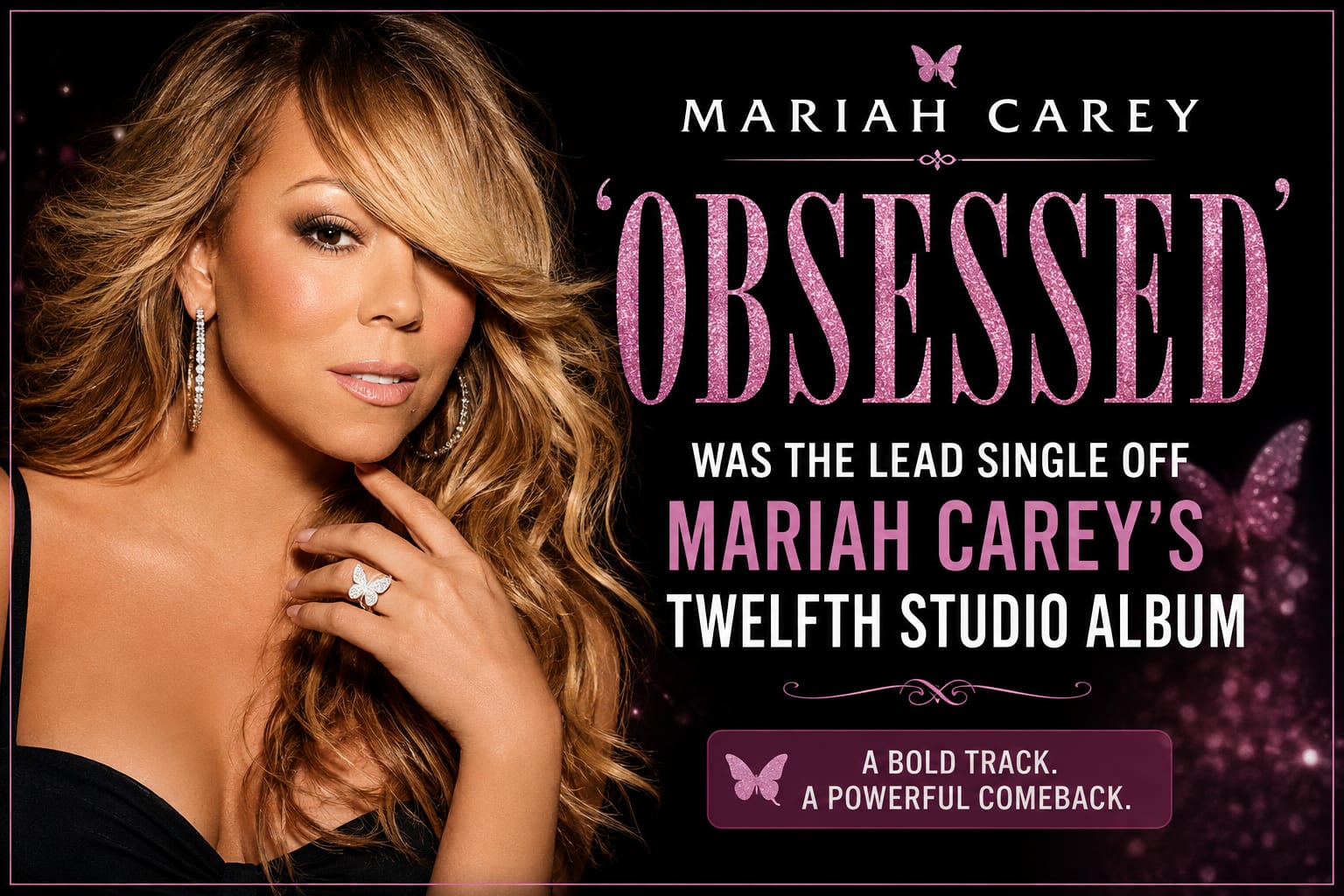
"Obsessed" was the lead single off Mariah Carey's twelfth studio album, and it quickly became a focal point for both fans and critics due to its bold tone and modern production style. The track stood out as a statement piece, signaling a refreshed artistic direction while still maintaining the vocal identity that has defined Mariah Carey throughout her career. The song’s placement as a lead single was strategic, designed to generate immediate attention and spark conversation.
As a globally recognized artist, Mariah Carey has consistently demonstrated an ability to evolve with changing musical landscapes. With “Obsessed,” she tapped into contemporary pop and hip-hop influences, aligning herself with the sound trends of the late 2000s. The track’s assertive lyrics and catchy hook made it particularly memorable, helping it gain traction across radio, television, and emerging digital platforms.
One of the key reasons “Obsessed” succeeded as a lead single was its ability to create cultural conversation beyond the music itself. Lead singles often act as promotional tools, but the most successful ones transcend marketing and become part of broader pop culture dialogue. In this case, the song’s confident delivery and thematic edge allowed it to stand out in a competitive music era where digital downloads and streaming were beginning to reshape how audiences consumed music.
The importance of lead singles like “Obsessed” also reflects how artists must balance commercial appeal with artistic identity. A lead single is often the first impression of an album’s direction, and it can heavily influence expectations for the rest of the project. In Mariah Carey’s case, the track helped reintroduce her to younger audiences while reinforcing her relevance in a rapidly evolving industry. It also demonstrated how established artists can still dominate attention cycles when they release strategically positioned music.
Beyond its immediate commercial impact, “Obsessed” highlights a broader industry trend: the increasing power of singles in defining an album’s lifecycle. In the streaming era, listeners often engage with individual tracks rather than full albums, making lead singles more important than ever. A strong opening release can determine playlist placements, algorithmic visibility, and long-term streaming performance.
Ultimately, “Obsessed” serves as a case study in how a well-chosen lead single can amplify an artist’s reach and reinforce their brand. It reflects the intersection of marketing strategy, musical evolution, and cultural timing. For Mariah Carey, the song not only contributed to the success of her twelfth studio album but also reaffirmed her ability to adapt and remain influential in a changing music landscape.